


Work Gloves for Food Industry Workers: Essential Protection and Comfort
In the food industry, workers face a unique set of challenges. Whether it’s dealing with hot surfaces, sharp knives, or constant exposure to moisture, having the right pair of work gloves can make all the difference in terms of safety, hygiene, and comfort. Here’s what to look for when selecting gloves for food industry workers:
1. Hygiene and Food Safety
- Food-Grade Materials: Gloves used in food handling must be made from food-safe materials, which are free from harmful chemicals or toxins. Latex, nitrile, and polyethylene are common materials, as they are non-porous, preventing contamination.
- FDA Approved: Always choose gloves that are FDA-approved for food handling to ensure they meet safety standards.
- Powder-Free: Powdered gloves can leave residue on food, which can lead to contamination. Opt for powder-free gloves to maintain hygiene.
2. Cut and Puncture Resistance
Food industry workers, especially those handling sharp tools or cutting products, should opt for gloves that provide cut protection. Level 5 cut-resistant gloves, often made from HPPE (high-performance polyethylene) or Kevlar, are a great choice.
- Puncture Resistance: For tasks like deboning or cutting meat, puncture-resistant gloves can help prevent injury from sharp objects like bones or blades.
3. Grip and Dexterity
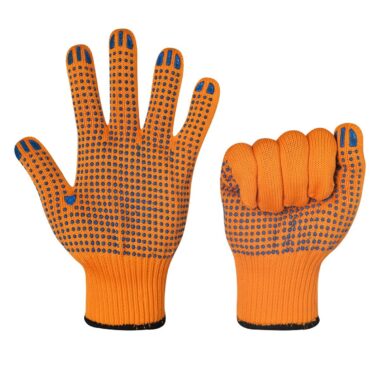
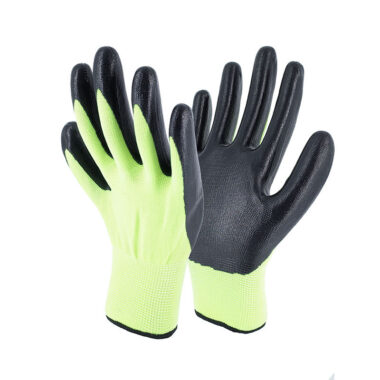
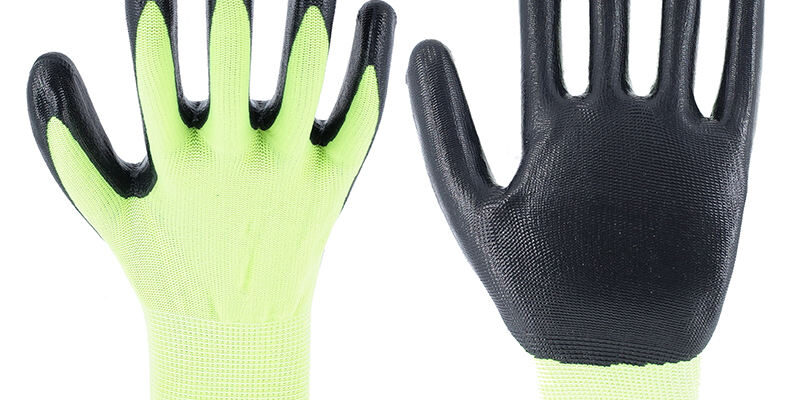
Since food industry workers often handle delicate ingredients, it’s essential to choose gloves that offer a secure grip without sacrificing dexterity. Gloves with textured palms or nitrile coatings offer a good balance, allowing workers to handle both wet and dry foods securely.
- Grip: For tasks like chopping, slicing, or handling slippery food items (like fish or meat), gloves with a non-slip grip are essential.
- Dexterity: Gloves should fit snugly enough to allow for precise movements while protecting from cuts and abrasions.
4. Comfort and Breathability
Food industry workers may need to wear gloves for hours at a time, so comfort is key. Gloves should be breathable to prevent sweating and ensure comfort throughout the day.
- Stretchable Materials: Materials like spandex or lycra offer stretch and breathability, making gloves more comfortable for long shifts.
- Moisture-Wicking: Look for gloves made from materials that allow for moisture-wicking, ensuring hands stay dry even during long periods of use.
5. Durability
The food industry is tough on gloves. Whether you’re dealing with raw food or heavy-duty tasks, durability is essential. For maximum longevity, choose gloves made from high-quality synthetic materials like nitrile or vinyl.
- Reinforced Palms: Gloves with reinforced palms or fingertips offer additional durability when handling sharp tools or rough surfaces.
6. Temperature Resistance
In many food industries, workers deal with hot or cold environments, like ovens or freezers. Look for gloves that provide heat resistance for tasks such as handling hot trays, or cold resistance for freezer environments.
- Thermal Protection: Gloves with thermal resistance (like neoprene or kevlar-lined) are perfect for handling hot surfaces in food prep areas.
- Cold Protection: For workers in cold storage or freezers, insulated gloves provide necessary protection from the cold, preventing frostbite.
7. Glove Types for Different Food Industry Tasks
- Meat Processing: Cut-resistant gloves made of Kevlar or HPPE offer excellent protection against sharp blades. Chainmail gloves are also highly recommended for tasks like boning or slicing meat.
- Baking: Heat-resistant gloves are essential for handling baking trays, ovens, or hot food. Silicone-coated gloves provide flexibility and thermal protection.
- Fruit and Vegetable Processing: Lightweight gloves, such as those made from cotton or nitrile, are ideal for tasks like peeling, slicing, or packaging produce.
- Cleaning and Dishwashing: For dishwashing or general cleaning, gloves with waterproofing (nitrile or latex) are ideal for protecting hands from prolonged exposure to hot water and cleaning chemicals.
8. Disposable vs. Reusable
- Disposable Gloves: Often preferred in food handling environments for quick, easy, and hygienic use. Nitrile and latex gloves are the most commonly used disposable gloves in the food industry.
- Reusable Gloves: In certain environments, workers may need reusable gloves for tasks requiring more durability, such as meat processing or dishwashing. Rubber or PVC gloves work well in these situations.
9. Color Coding
Many food processing plants or kitchens use color-coded gloves to help with food safety protocols. This system helps workers avoid cross-contamination by assigning different glove colors to different tasks (e.g., red for raw meat, blue for fish, green for vegetables).
Conclusion:
Choosing the right work gloves for food industry workers isn’t just about protection, but also about ensuring safety, comfort, and efficiency. Whether you’re working with raw food, hot surfaces, or sharp tools, investing in the right gloves will protect both your hands and the food you’re handling.
Would you like recommendations for a specific type of food industry work or help finding gloves for a particular task?